





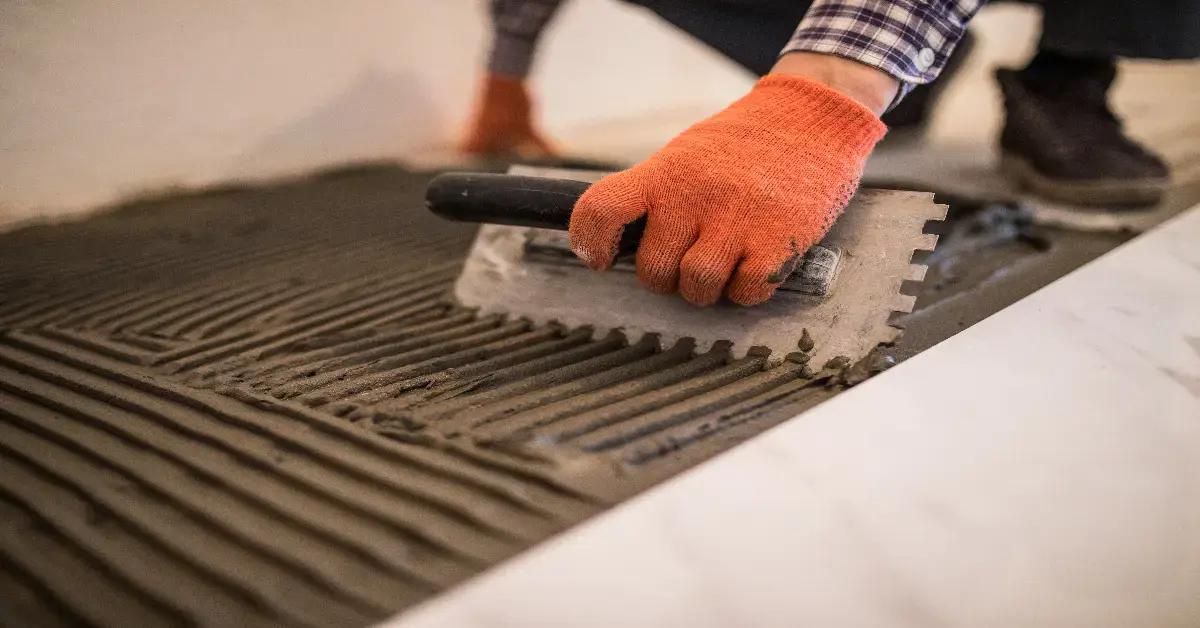
Concrete is one of the most common materials used in construction because of its strength and long-lasting nature.
Understanding Abrasion Resistance
Abrasion resistance is all about how well a material can handle wear and tear from everyday friction, rubbing, or scraping. For concrete, this is especially important because it helps keep the surface strong and intact, particularly in areas that face a lot of mechanical stress. When concrete has good abrasion resistance, it means the surface won’t wear down as quickly, which not only extends the life of the structure but also cuts down on maintenance costs. To measure this, the ASTM C418 test uses sandblasting to assess how well concrete surfaces hold up under such conditions.
Procedure of ASTM C418
The ASTM C418 test involves several carefully controlled steps to ensure accurate and consistent results:
1. Preparation of Test Specimens:
- Concrete specimens are prepared according to ASTM C418. These specimens can be slabs, cubes, or cylindrical samples, depending on the test requirements.
- The specimens are cured and dried to reflect actual field conditions accurately.
2. Sandblasting Apparatus:
- The test uses a sandblasting apparatus equipped with a standardized nozzle and a supply of abrasive material, typically silica sand and pressure unit.
- The nozzle is positioned at a specific distance from the concrete surface to ensure uniform abrasive impact.
3. Test Execution:
- The concrete surface is subjected to sandblasting for a predetermined duration.
- Abrasive material is propelled against the surface at a controlled pressure.
- The duration of sandblasting and the pressure applied are specified in the ASTM C418 standard.
4. Measurement of Abrasion:
- After sandblasting, the depth of wear on the concrete surface is measured at multiple points to ensure accuracy.
- These measurements are averaged to provide a quantitative assessment of the concrete’s abrasion resistance.
Significance in Construction
Assessing the abrasion resistance of concrete is vital for several reasons:
- Durability: Concrete that’s built to resist abrasion not only stays strong but also keeps looking good over time, which means you won't have to worry about constant repairs or replacements.
- Safety: Surfaces that resist abrasion are less likely to become uneven or slippery, ensuring safer environments in high-traffic areas.
- Cost-Effectiveness: Investing in abrasion-resistant concrete lowers long-term maintenance costs and extends the service life of structures.
The abrasion resistance is applied in various construction scenarios, including:
- Pavements and Walkways: Ensuring durability in areas subjected to pedestrian and vehicular traffic.
- Industrial Floors: Evaluating wear resistance in environments exposed to heavy machinery and frequent movement.
- Transportation Infrastructure: Assessing the abrasion resistance of concrete in roads, bridges, and airport runways.
About Wimpey Laboratories
Wimpey Laboratories is a leading independent provider of ISO-accredited testing and calibration services, backed by over 20 years of expertise. Leveraging advanced technology, it delivers accurate, reliable solutions that ensure safety, compliance, and customer satisfaction. Serving more than 9,500 clients across 49+ countries, Wimpey offers over 5,500 accredited services tailored to diverse industry needs.