





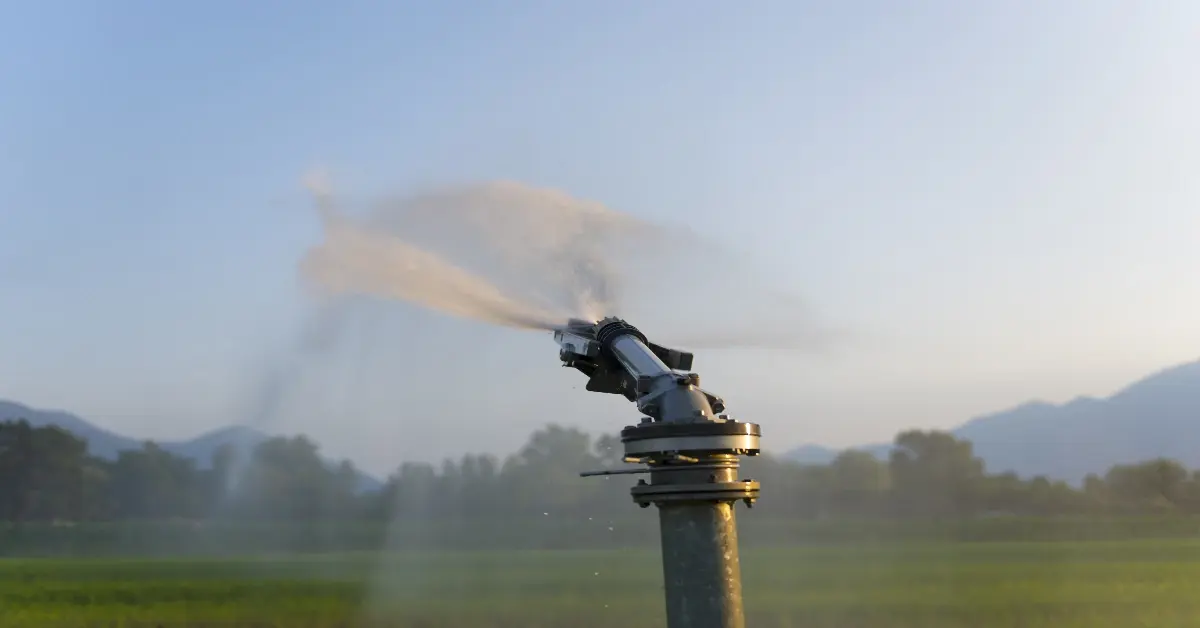
IP testing, or Ingress Protection (IP) testing, is a process used to determine how well an electrical enclosure or device can resist the intrusion of foreign objects like dust and water. The results of this testing are typically expressed as an IP rating, which is a two-digit code defined by the International Electrotechnical Commission (IEC) standard 60529.
1. Breakdown of IP Ratings:
- First Digit (0-6): Indicates the level of protection against solid objects, like dust.
- 0: No protection.
- 1-4: Protection against objects ranging from hands to small tools.
- 5: Limited protection against dust.
- 6: Complete protection against dust.
- Second Digit (0-9): Indicates the level of protection against liquids, primarily water.
- 0: No protection.
- 1-4: Protection against dripping or splashing water.
- 5: Protection against water jets.
- 6: Protection against powerful water jets.
- 7: Protection against immersion up to 1 meter.
- 8: Protection against long-term immersion beyond 1 meter.
- 9: Protection against high-pressure and high-temperature water jets.
2. Example:
An IP67 rating means the device is dust-tight (6) and can be submerged in water up to 1 meter deep for a limited time (7).
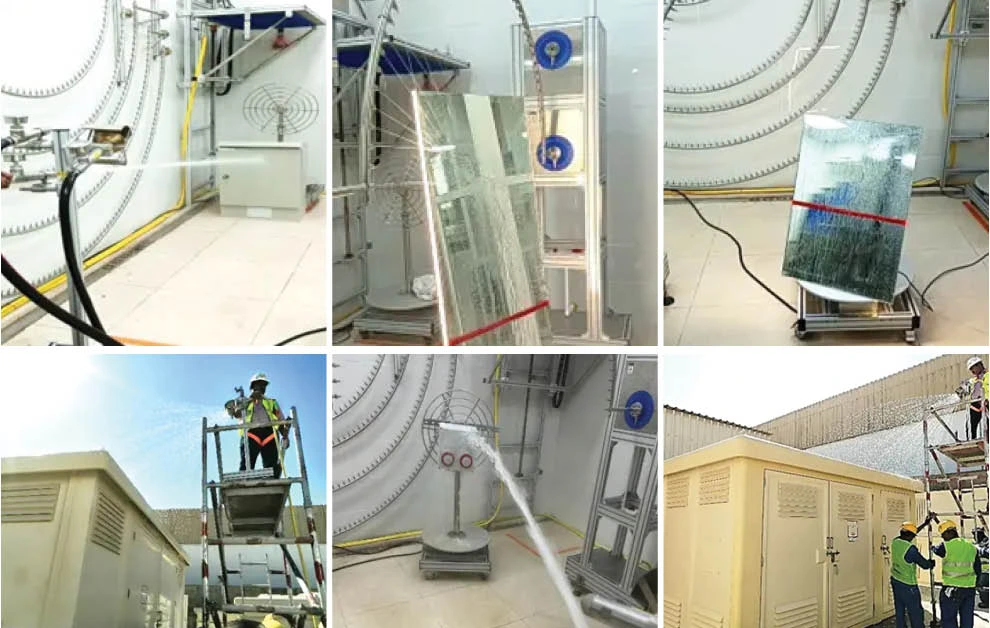
IP testing is crucial in various industries, especially where equipment is exposed to challenging environments, such as in manufacturing, automotive, marine, and consumer electronics. It ensures that devices meet required safety and durability standards for their intended use.
About Wimpey Laboratories
Wimpey Laboratories is a leading independent provider of ISO-accredited testing and calibration services, backed by over 20 years of expertise. Leveraging advanced technology, it delivers accurate, reliable solutions that ensure safety, compliance, and customer satisfaction. Serving more than 9,500 clients across 49+ countries, Wimpey offers over 5,500 accredited services tailored to diverse industry needs.