





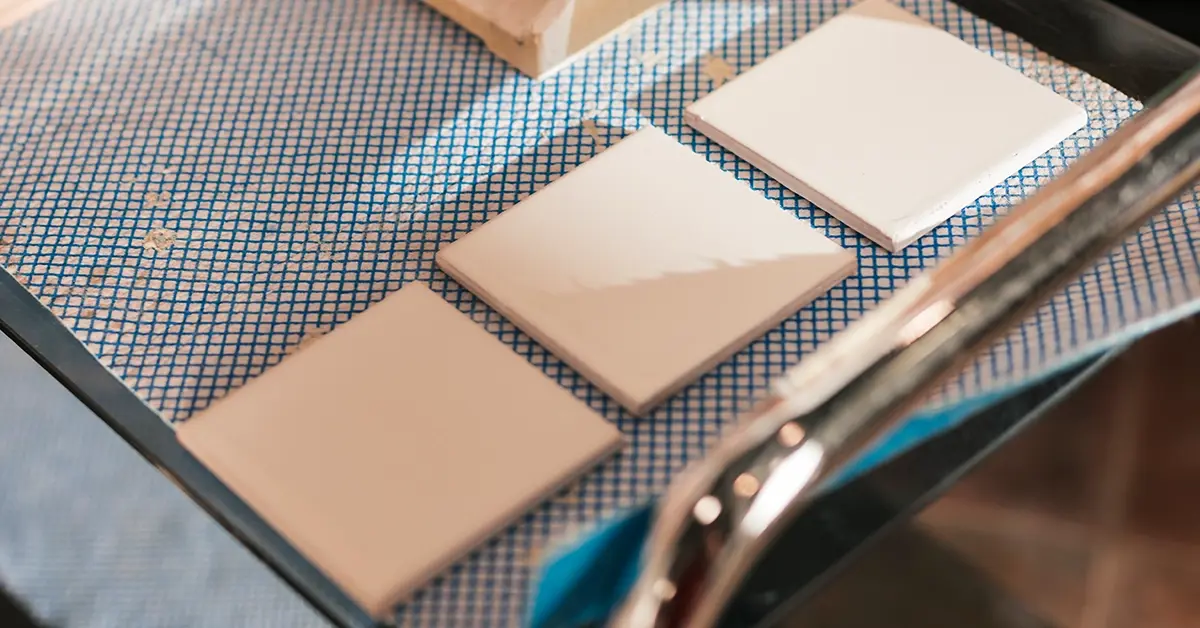
A ceramic tile is a thin, flat slab made from natural materials like clay, sand, and other minerals, which is shaped, dried, and then fired at high temperatures in a kiln. It is commonly used as a flooring or wall covering in residential, commercial, and industrial settings due to its durability, aesthetic appeal, and ease of maintenance
Understanding of thermal Expansion
Thermal expansion is the tendency of matter to change its shape, area, or length in response to a change in temperature. When materials are heated, their particles move more vigorously, causing them to occupy more space. The change in length due to temperature is referred to as linear thermal expansion.
Experimental Methodology
Scope of the Method
ISO 10545 defines a standard test method for determining the coefficient of linear thermal expansion of ceramic tiles.
Principle of the Experiment
The experiment involves determining the linear thermal expansion coefficient over a temperature range from ambient temperature to 100 °C.
Detailed Procedure
- The sample is dried at 110 °C until it reaches a constant mass.
- The sample is then cooled to ambient temperature.
- The initial length of the sample and the ambient temperature are recorded.
- The sample is gradually heated, and length measurements are taken throughout the heating process.
Expression of Results
The linear thermal expansion coefficient is expressed in 10−6 per degree celsius (10-6/°C)
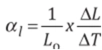
Where:
L0 = the length of the test specimen at ambient temperature
ΔL = the increase in length of the test specimen between ambient temperature and 100 °C
ΔT = the rise in temperature
Significance in Construction
- Prevents Cracking and Buckling
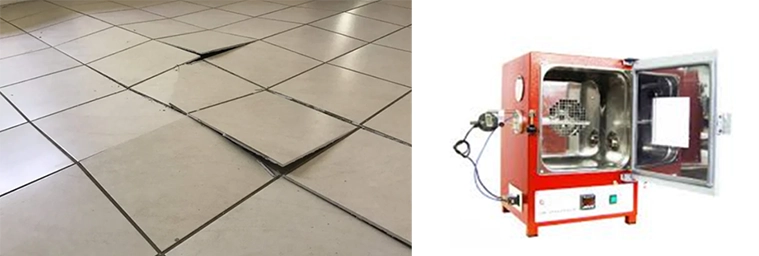
As tiles expand in heat and contract in cold, stress builds up if there’s no room for movement.
Without proper allowances, tiles can crack, lift, or buckle, especially in outdoor settings or areas exposed to sunlight (like balconies or terraces).
- Ensures Long-Term Durability
Accounting for thermal expansion increases the lifespan of tile installations, avoiding early failure or costly repairs.
- Maintains Adhesion to the Substrate
Expansion can break the bond between the tile and the adhesive, causing tiles to de-bond or become hollow.
The Linear thermal expansion of tile is applied in various construction scenarios, including:
- Flooring systems in large commercial buildings, malls, and airports, where temperature changes throughout the day can cause significant tile movement.
- Outdoor installations such as terraces, balconies, and patios, which are directly exposed to sunlight and weather fluctuations.
- Façade cladding systems, where ceramic tiles are used on building exteriors and must withstand thermal cycling.
- Industrial and laboratory spaces, where equipment and environmental conditions can cause localized heat buildup.
- Swimming pool decks and wet areas, where both temperature and moisture affect the expansion behavior.
About Wimpey Laboratories
Wimpey Laboratories is a leading independent provider of ISO-accredited testing and calibration services, backed by over 20 years of expertise. Leveraging advanced technology, it delivers accurate, reliable solutions that ensure safety, compliance, and customer satisfaction. Serving more than 9,500 clients across 49+ countries, Wimpey offers over 5,500 accredited services tailored to diverse industry needs.